All the World's Children
Out of inspiration from my grandmother's lifelong pursuit of caring for neonatal children and mothers during and after childbirth, combined with my own experience as a foaling assistant, birthing over 25 foals, I am in the pursuit of illustrating the youngest in the world, their vulnerability, their beauty, and how they are all the same.
This project is ongoing.
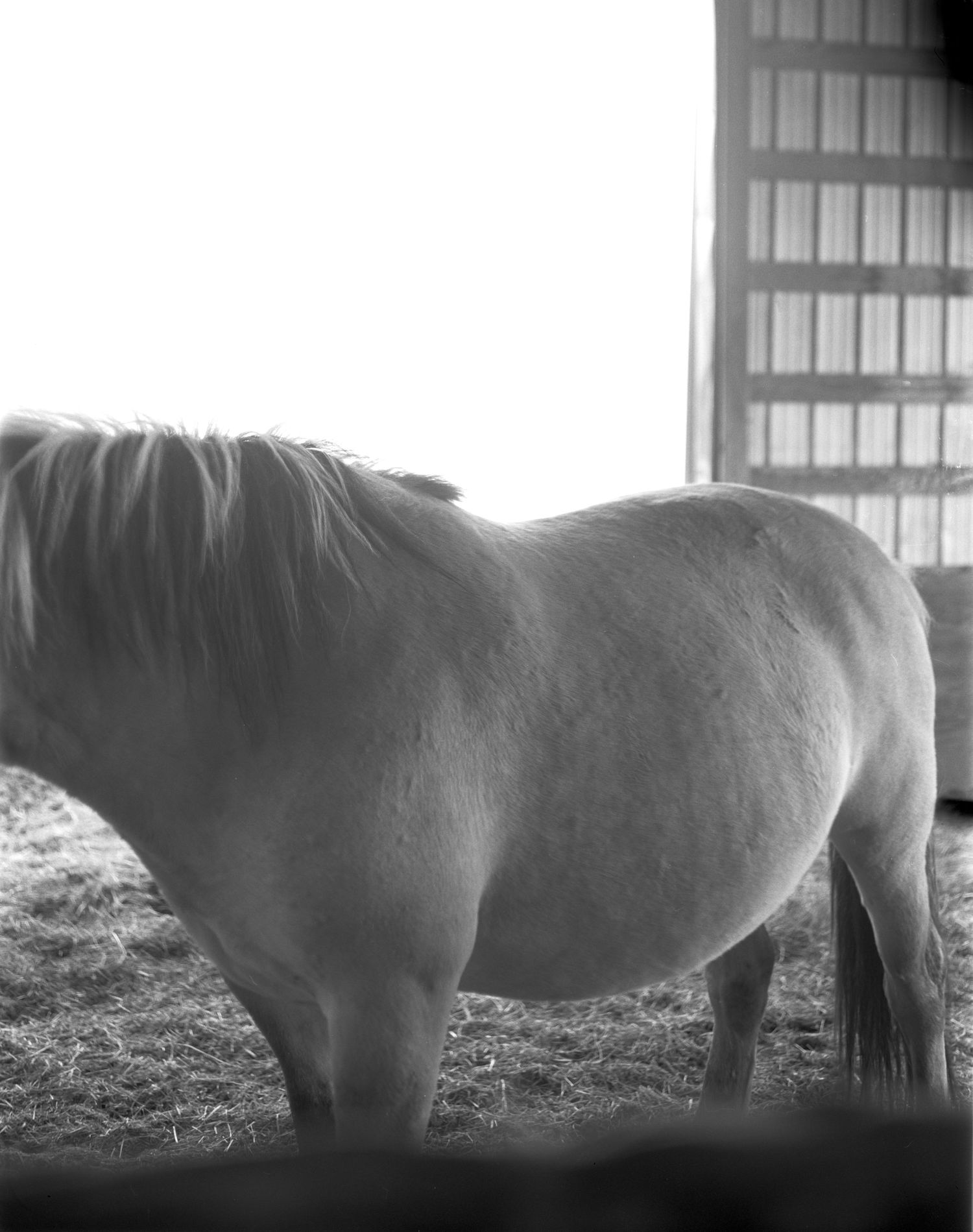
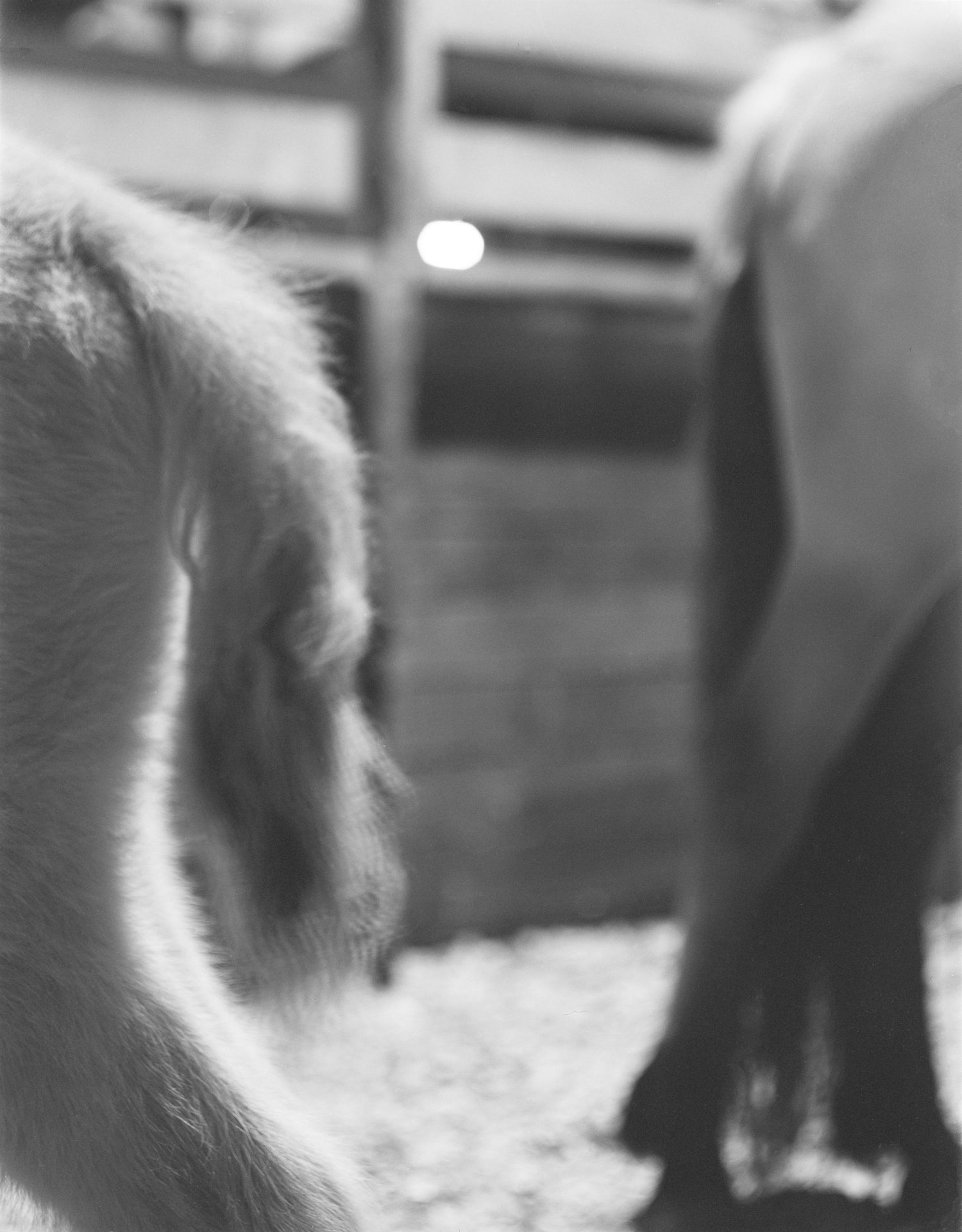
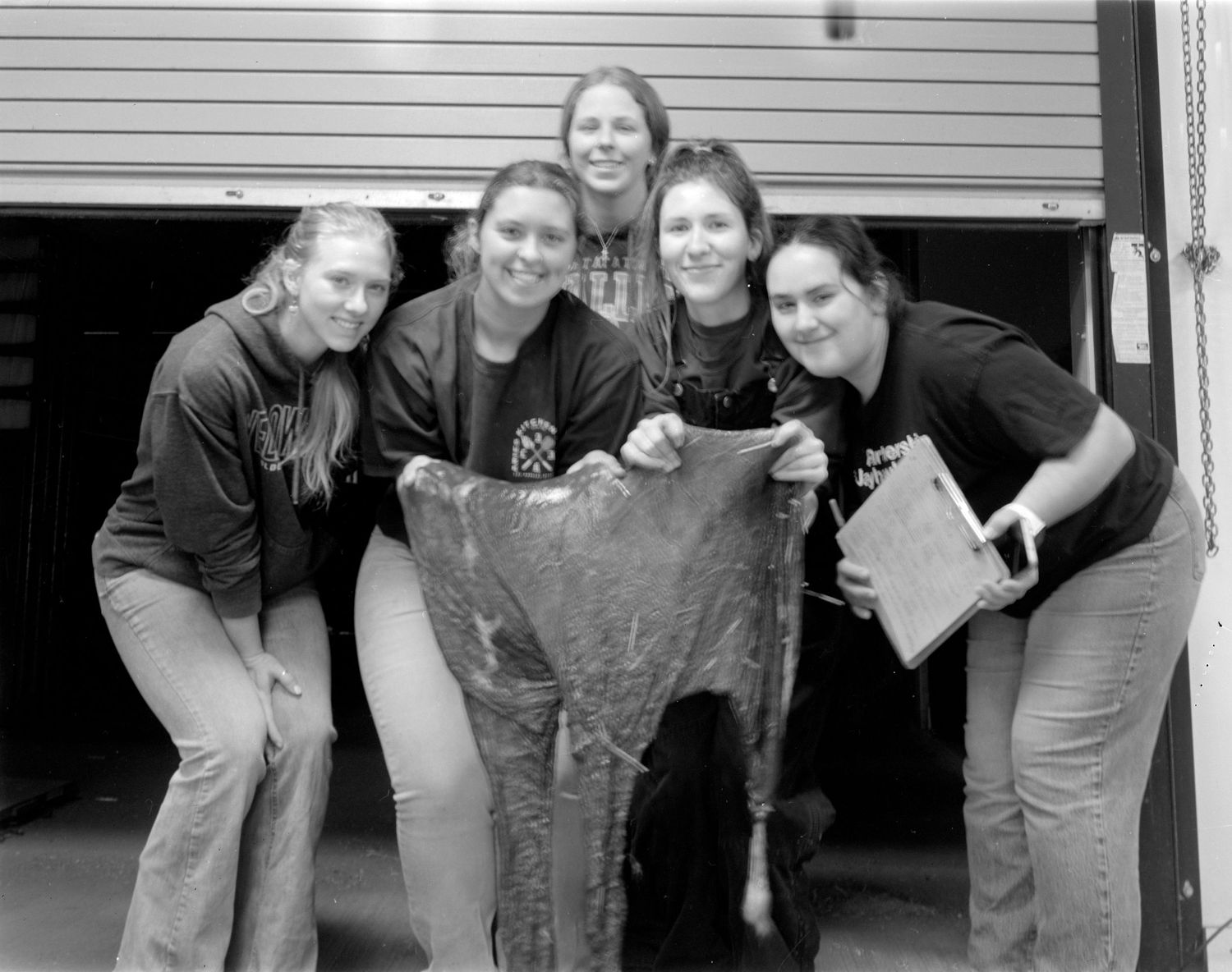
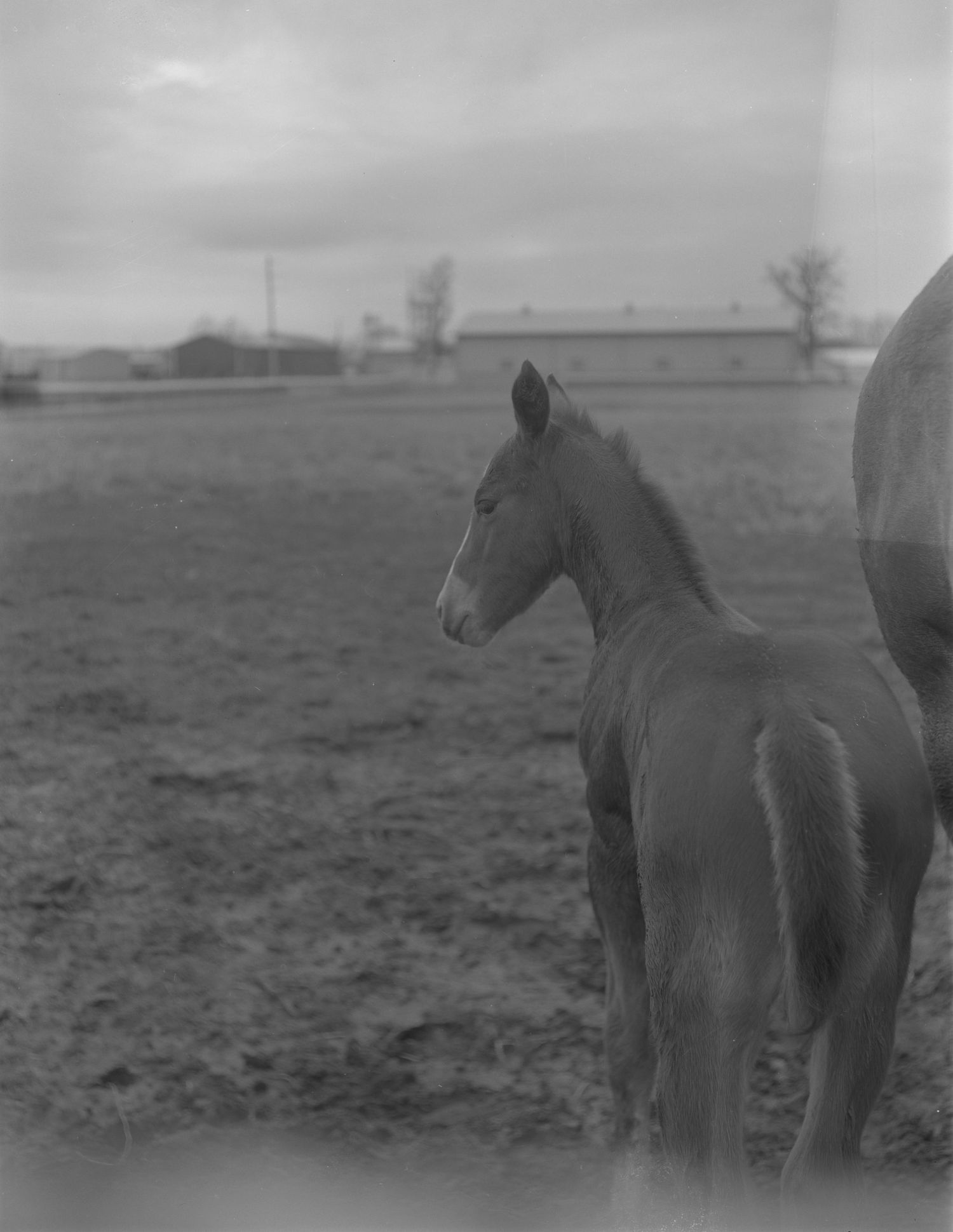
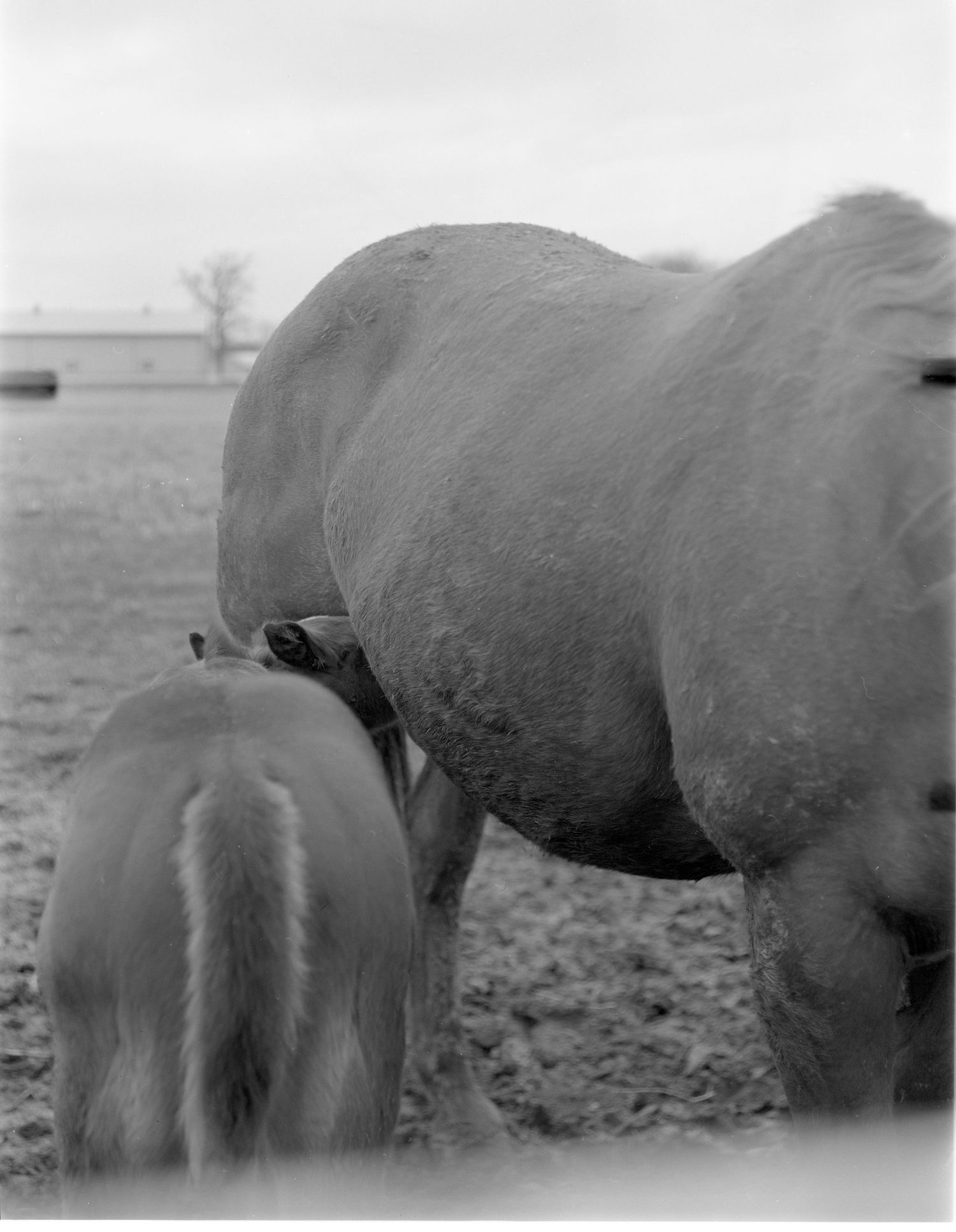
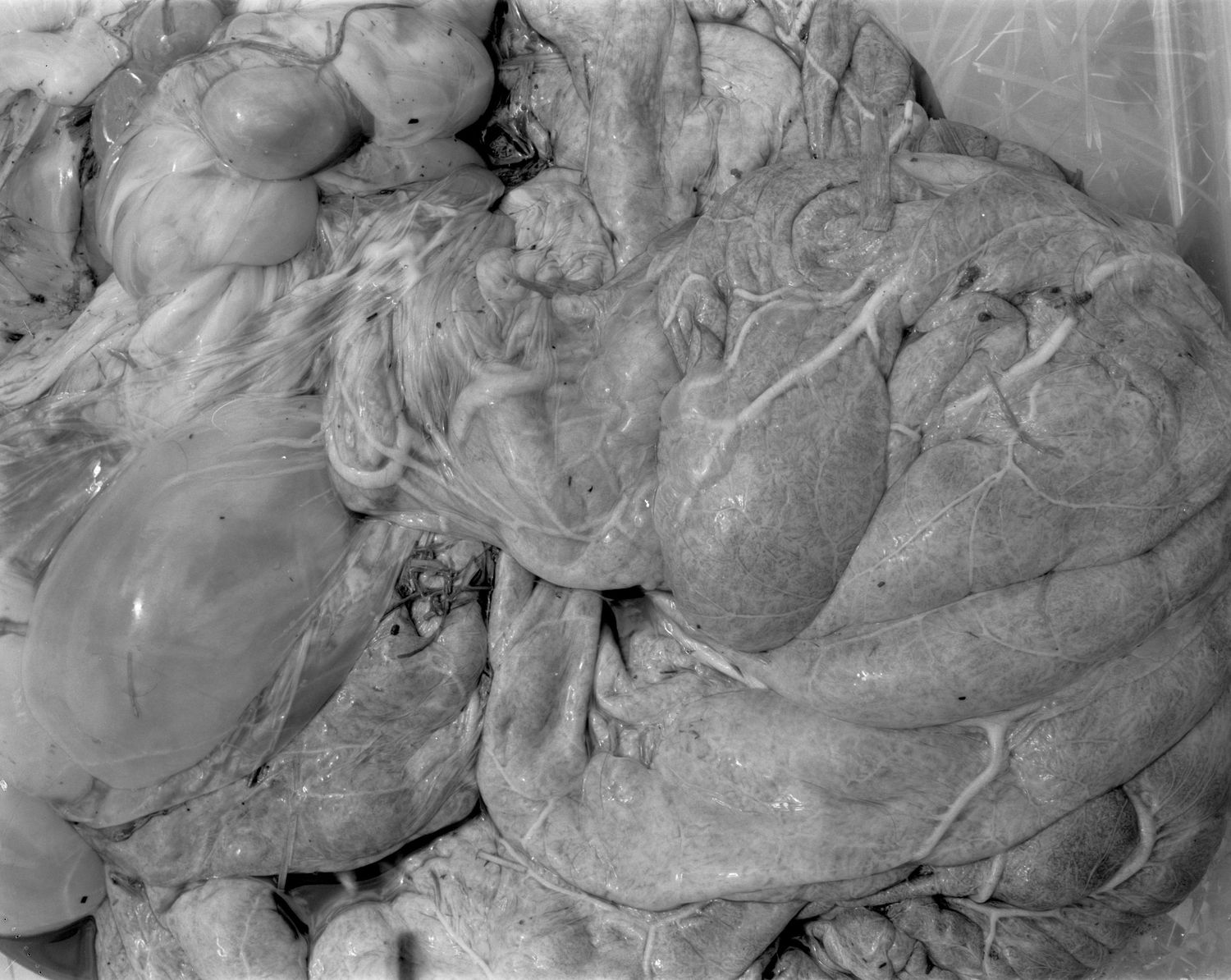
Horses give birth quite a lot like us. They are pregnant for a longer period - two months is significant if you ask any of the mares that come in at 340 days of gestation - and give birth much faster (from water break to a live baby, the process of labor almost always takes less than 30 minutes), but they grow their babies, their water breaks, they deliver their babies, they deliver their placenta.
But they don't know how any of this is going to happen.
While we have the enormous advantage of being able to say, "oh yes, I can feel my contractions getting closer" or "ah, I think these might be those darn Braxton Hicks contractions" all they know is discomfort, pain, and labor. The instinct to push, to lick their babies, to nudge their wobbly legs towards their udders just hours after birth, is all built within them.
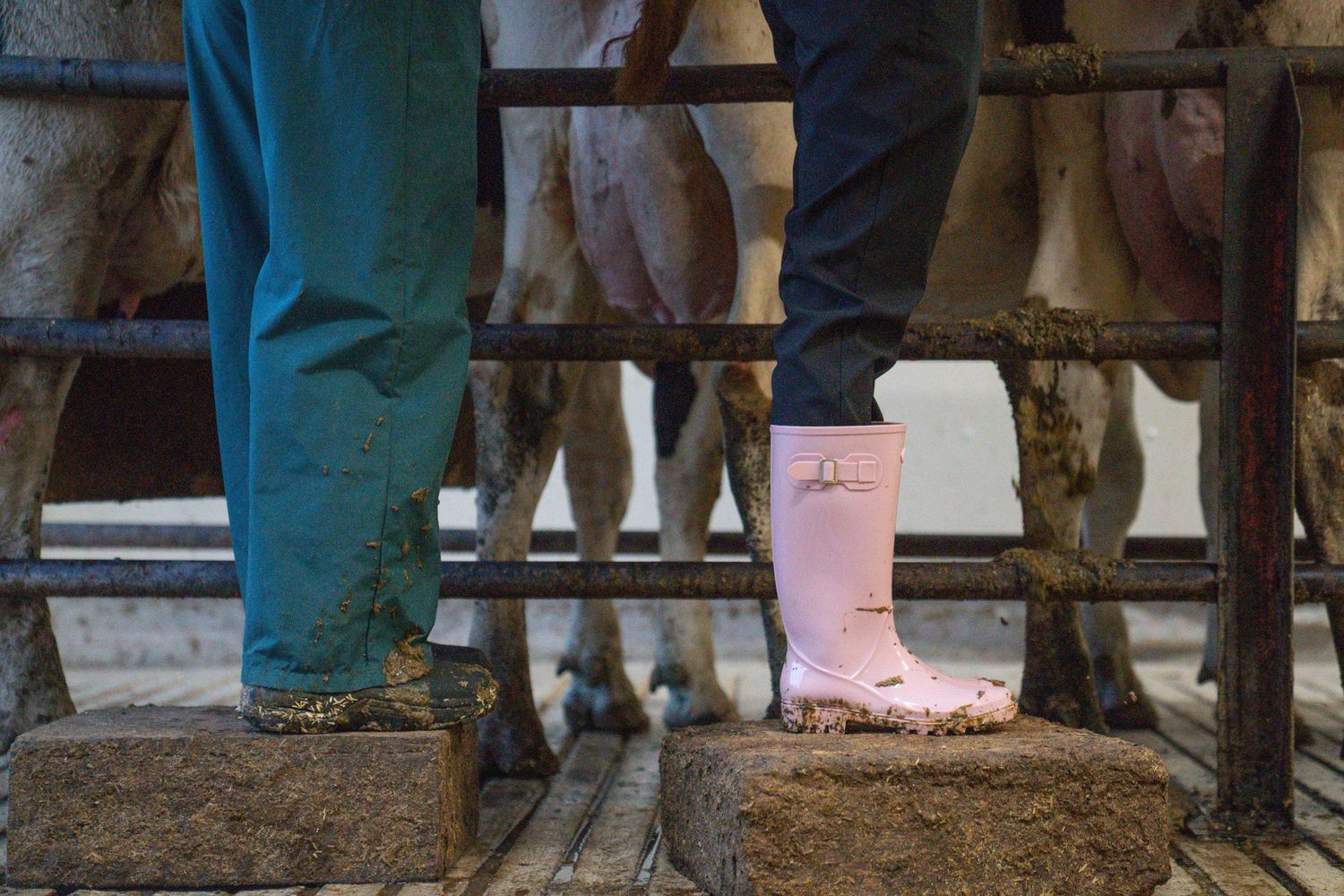
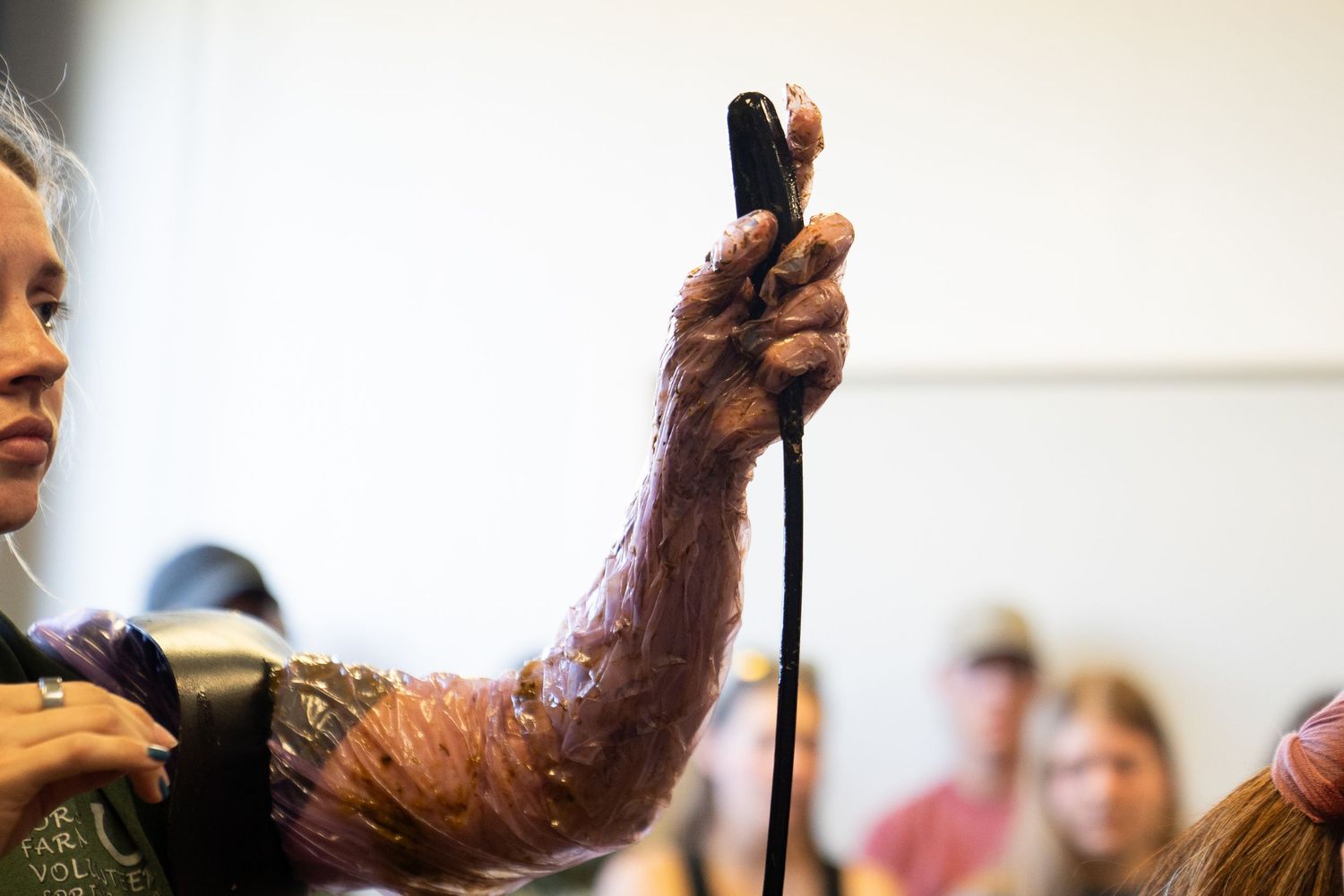
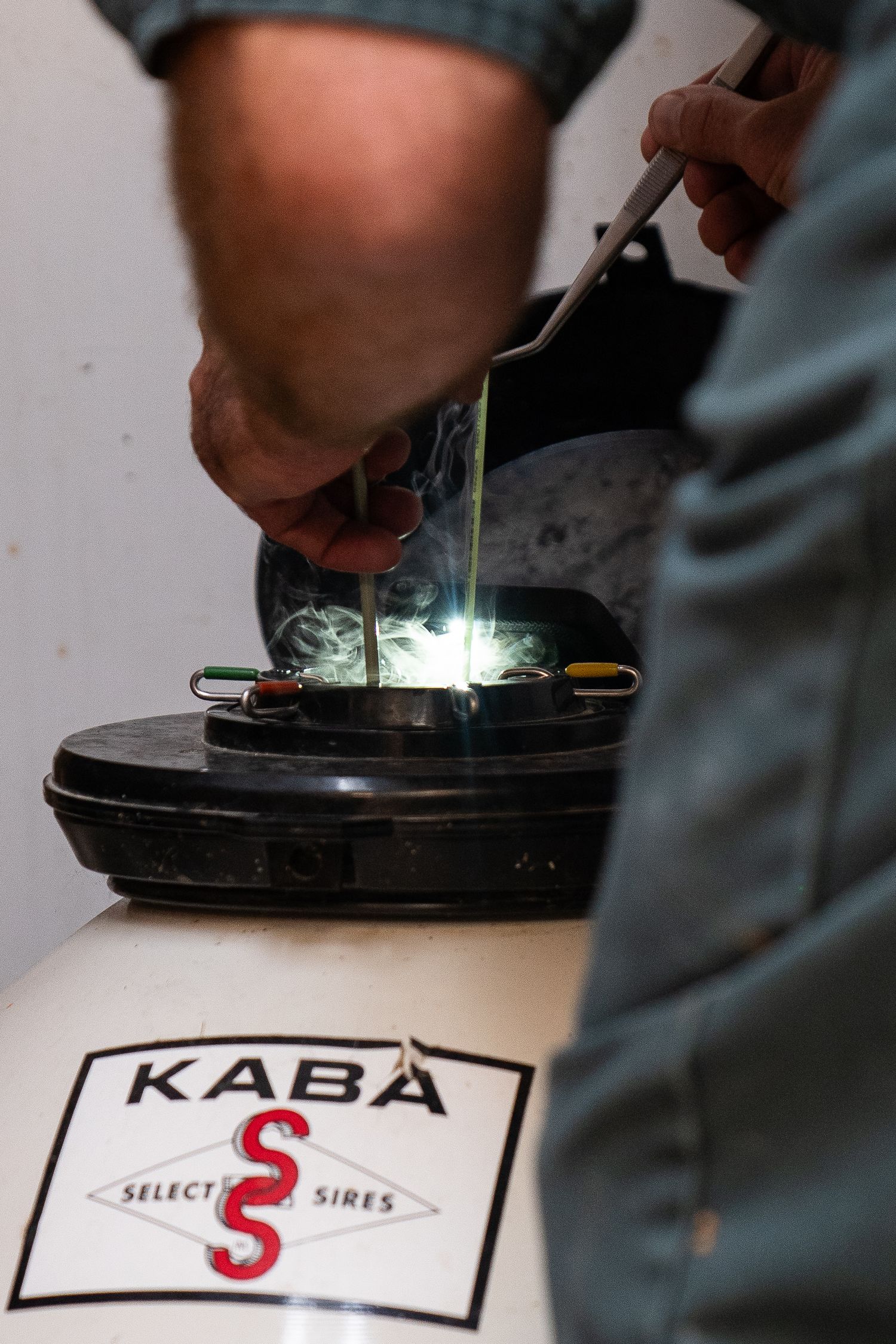
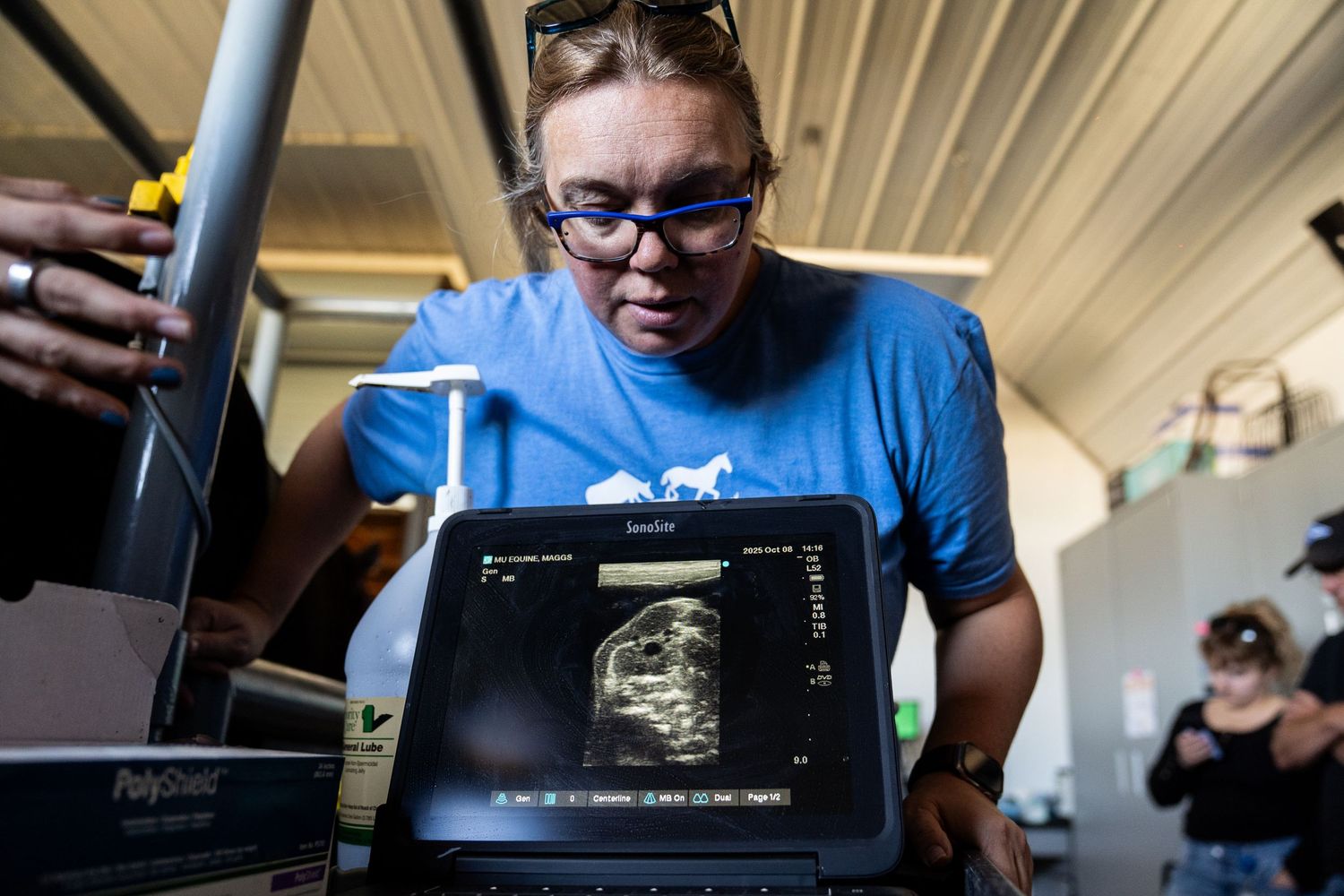
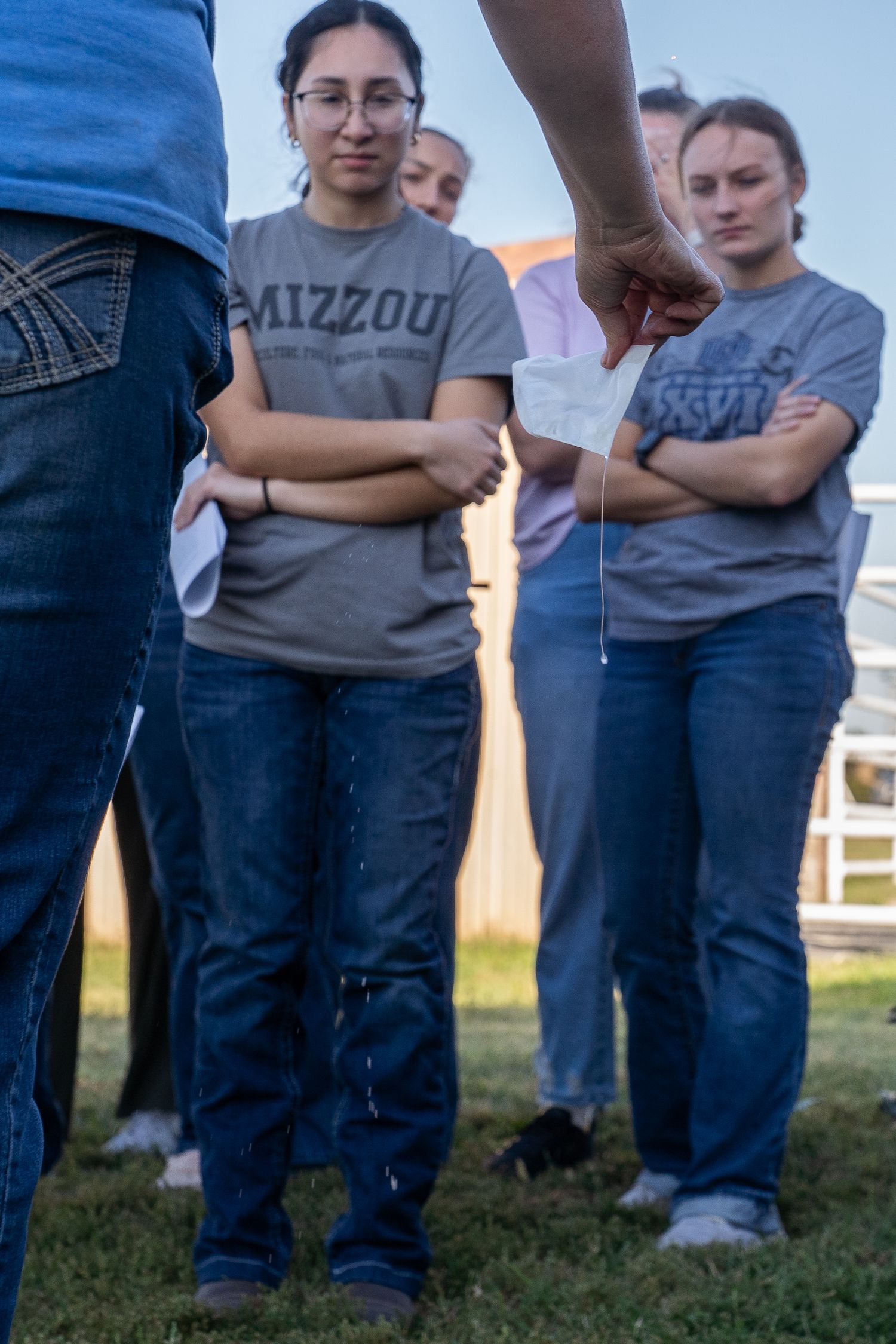
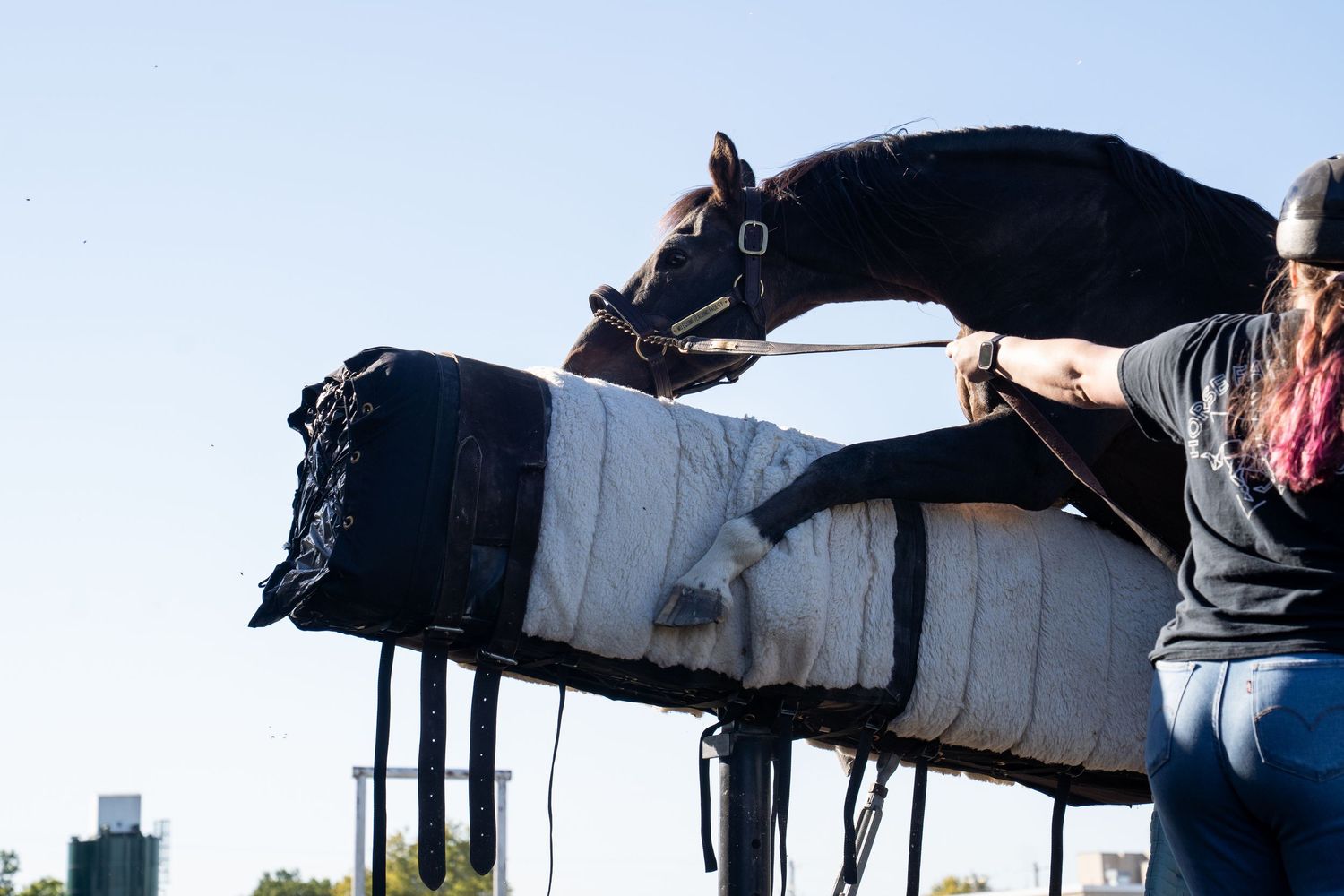
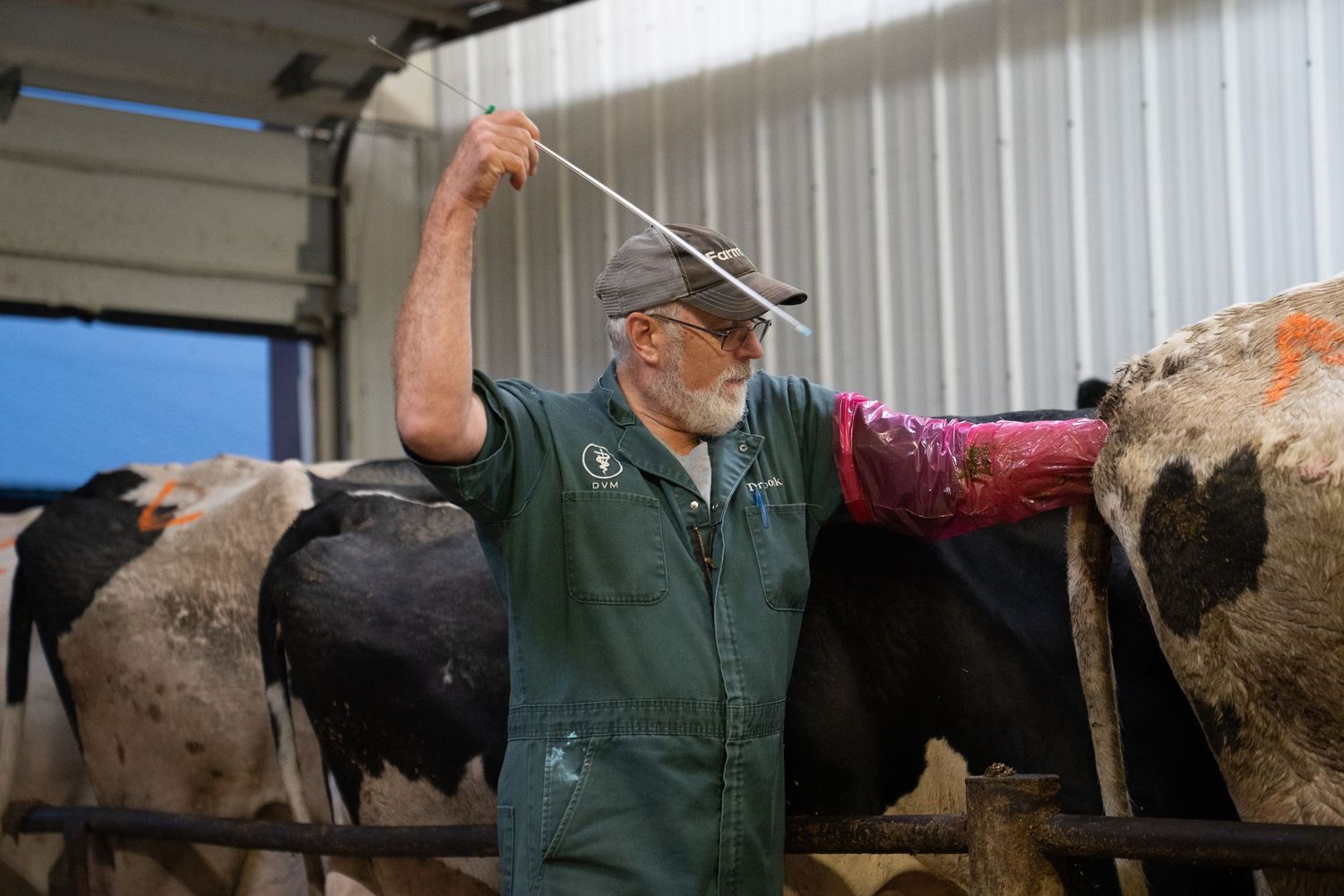
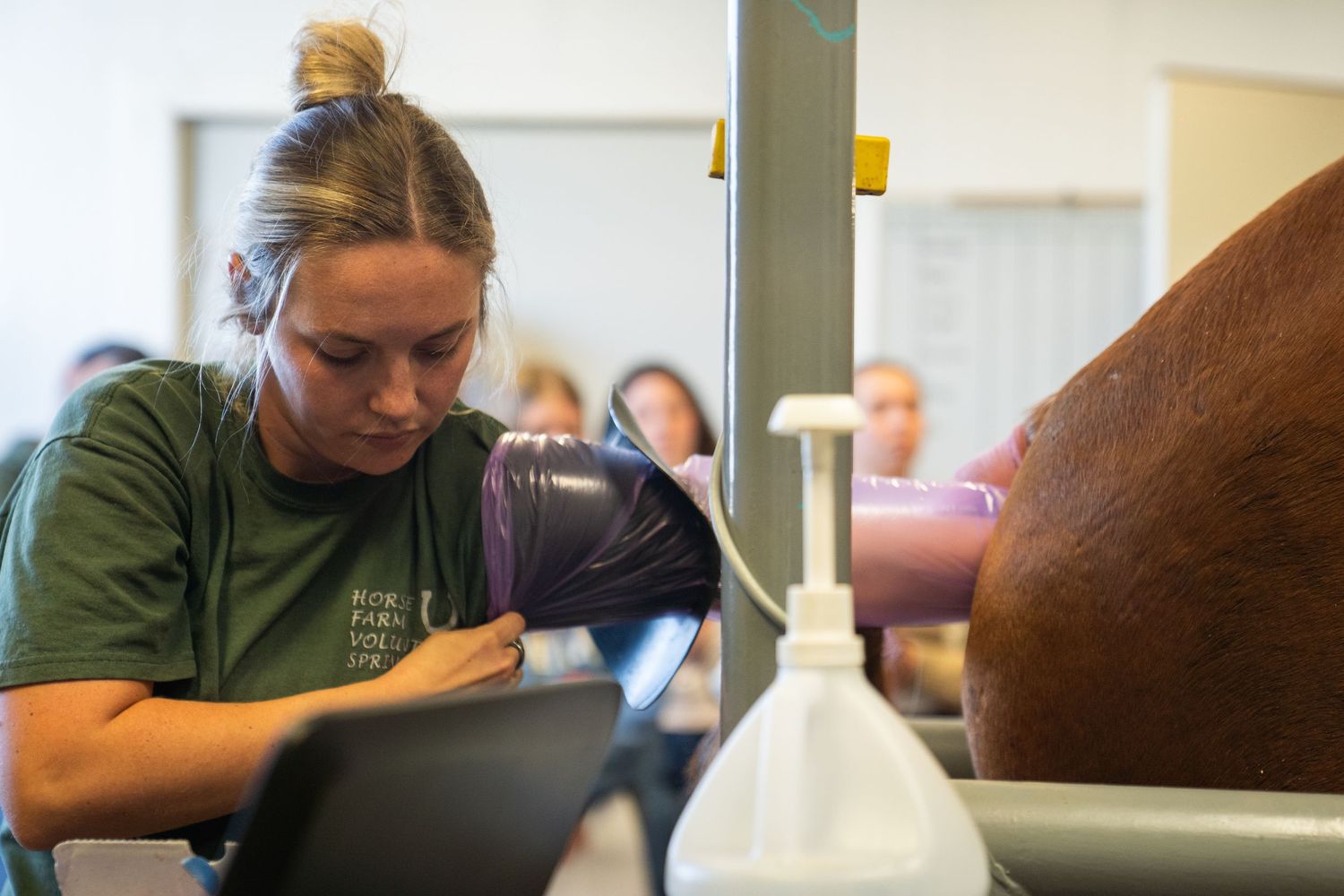
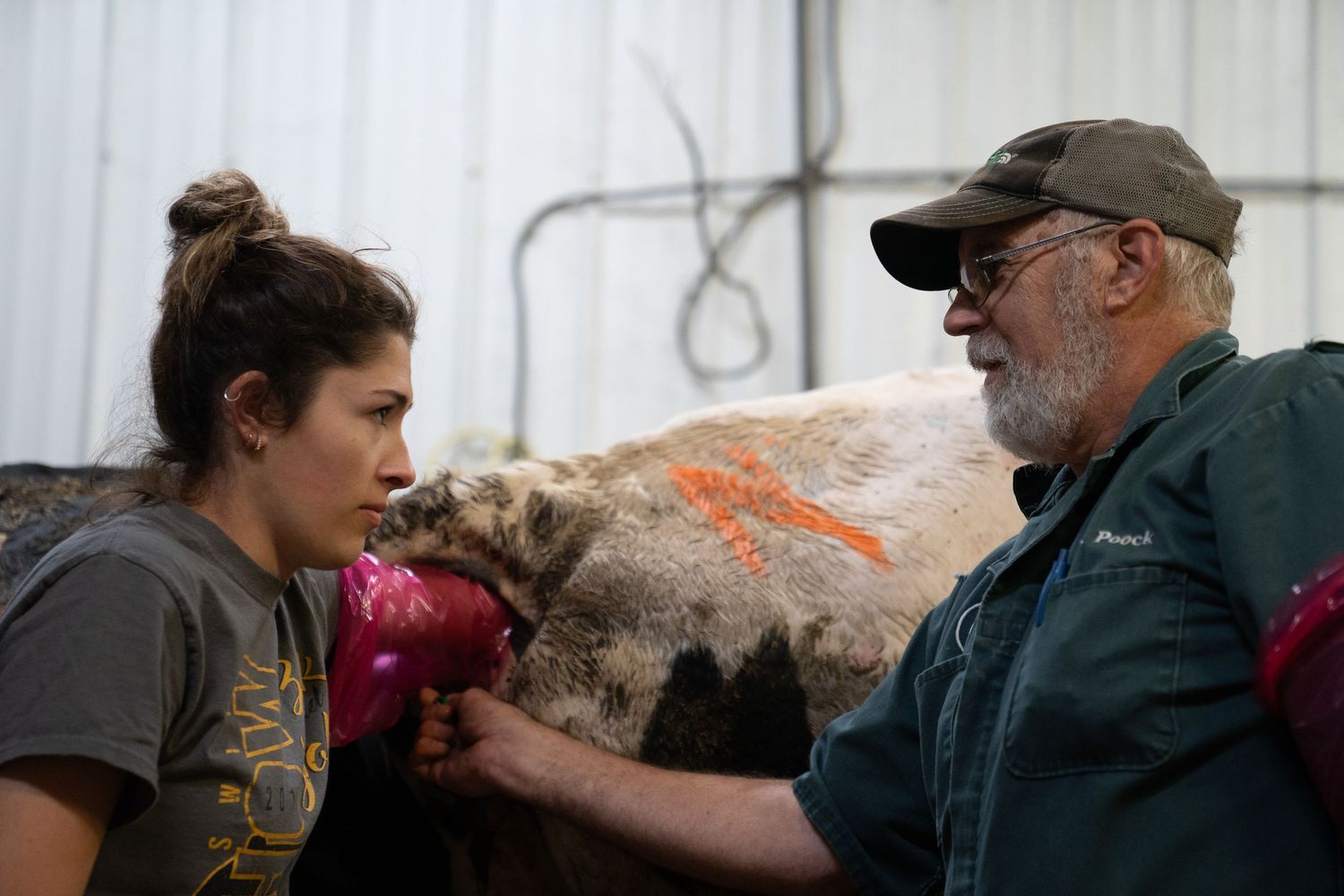
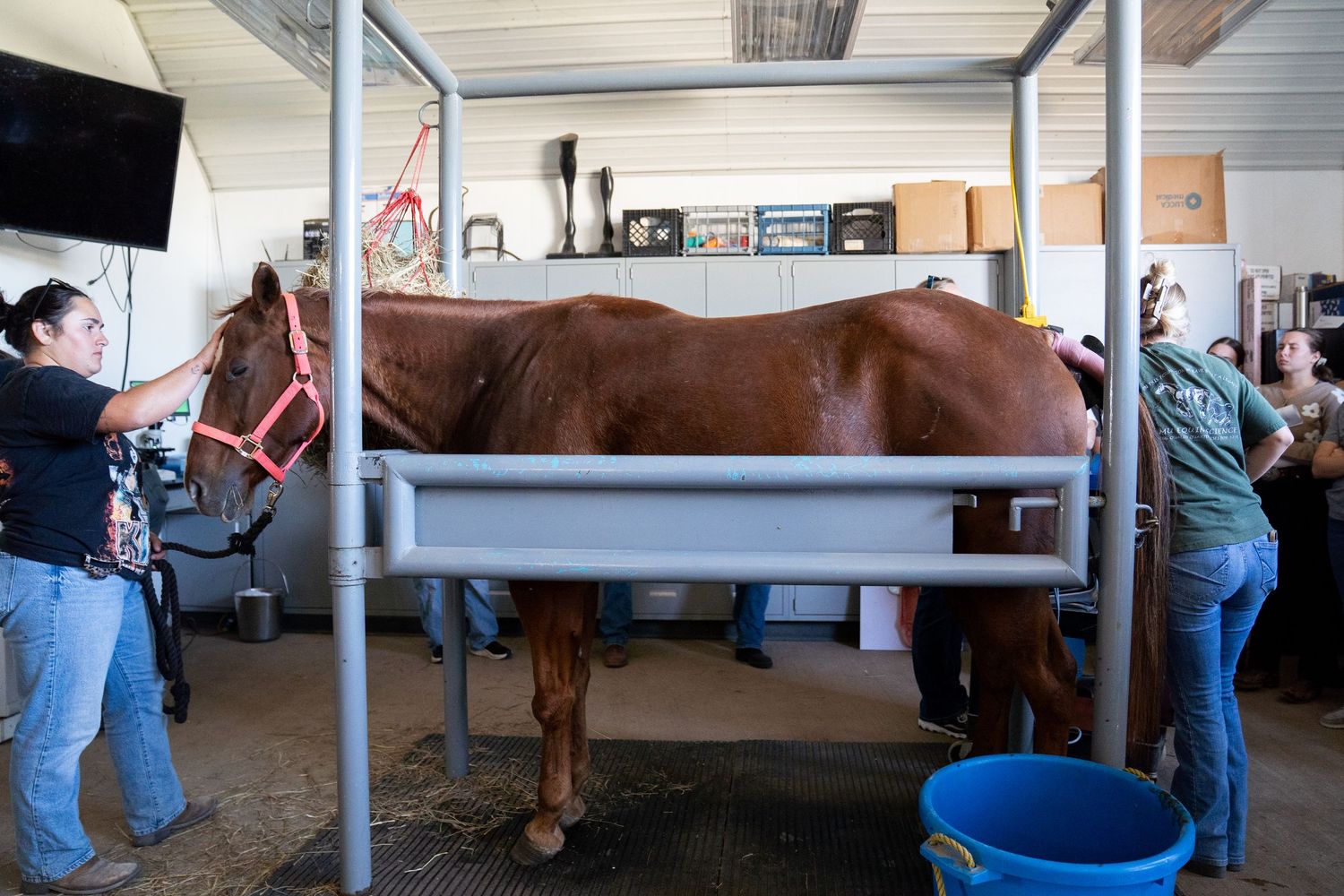
The female students that take classes at the University of Missouri's Equine Teaching Facility help prepare and shepherd these mares through birth and the pre and post-partum processes every spring. A unique thing to see - some 60 young, highly educated women waking up early, staying up all through the night, to help the females of another species bring another into the world. They braid manes and tails, give "baby butt baths" and perform chemical tests to predict parturition every day for the sake of the mares and the foals they will deliver.
NOTE: This gallery contains graphic imagery.
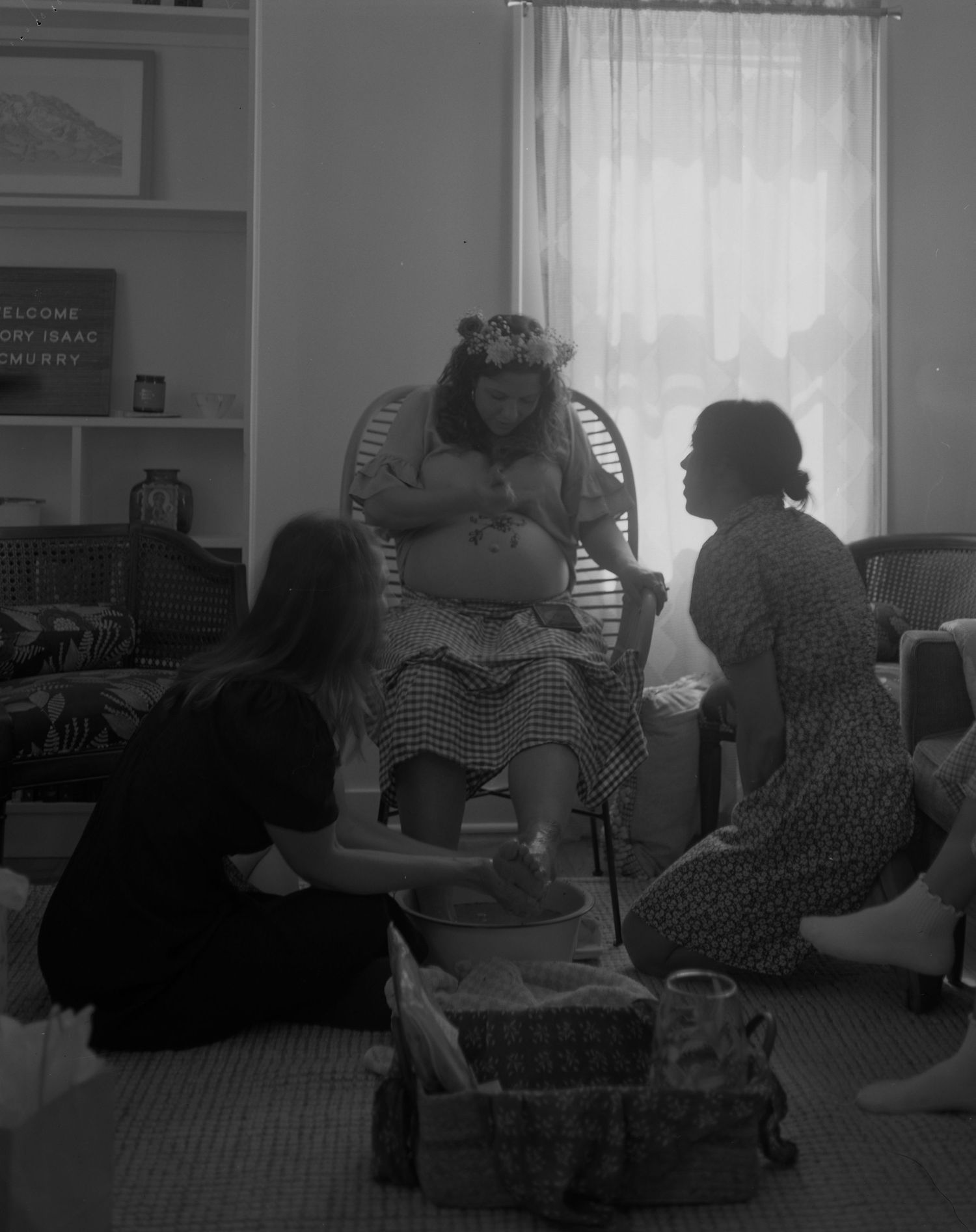
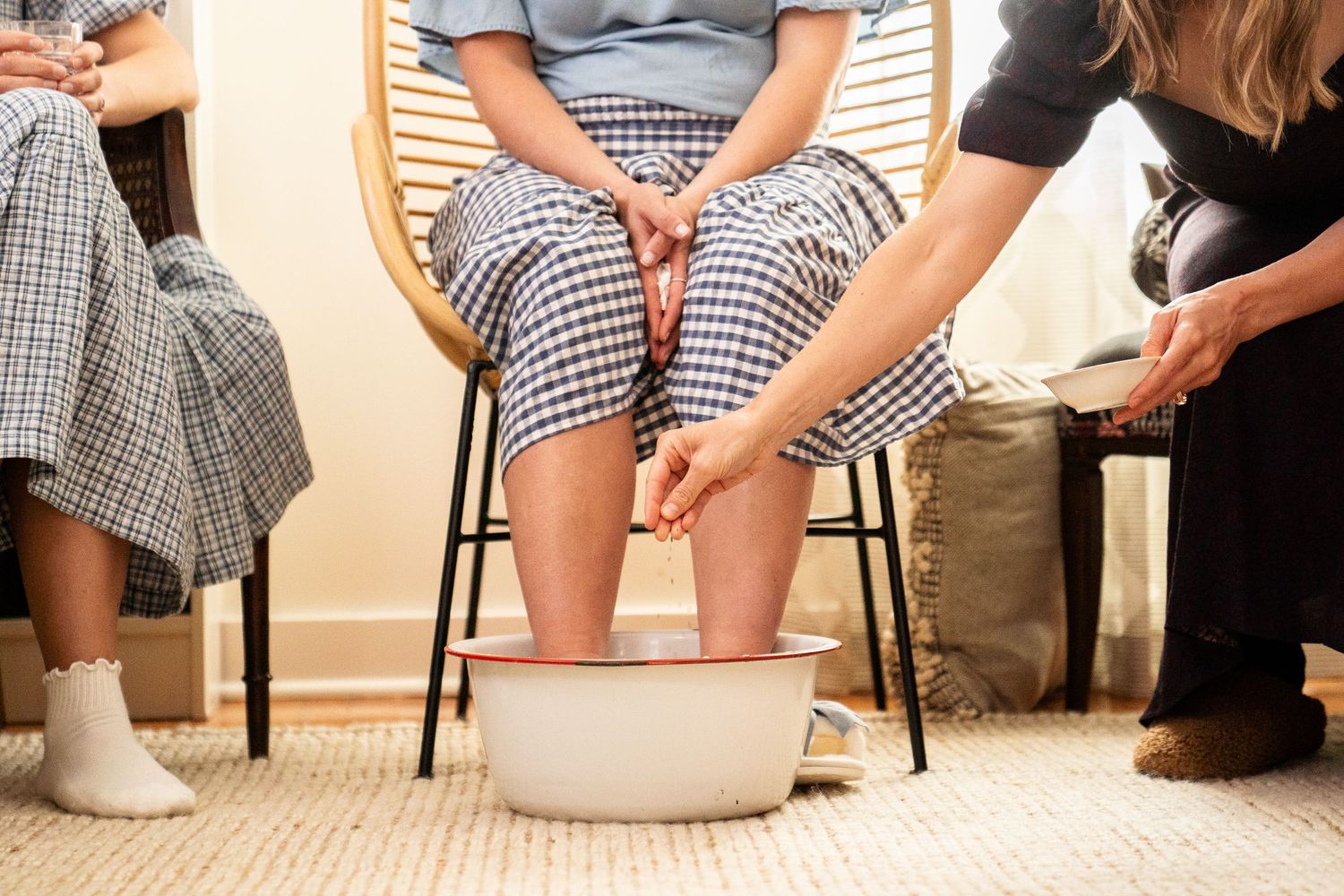


This is a paragraph. Double-click or click edit and enter your own text.